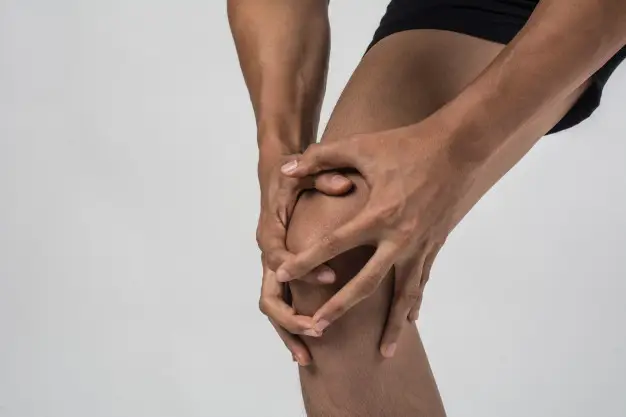
Knee pain is a common problem that affects people of all ages, from athletes and active individuals to older adults dealing with joint degeneration. The knee joint plays a crucial role in daily movement such as walking, climbing stairs, standing, and exercising. When the knee becomes injured or weakened, even simple tasks can become difficult and painful.
One of the most effective ways to manage knee discomfort and prevent further injury is through proper knee support combined with physiotherapy treatment. Professional care at clinics like Spectrum Physiotherapy in Calgary helps patients recover from knee injuries, strengthen the joint, and restore normal mobility.
Understanding how knee support works and when to seek physiotherapy can help you maintain strong, healthy knees and stay active.
Understanding the Importance of Knee Support
The knee is one of the largest and most complex joints in the human body. It connects the thigh bone (femur) to the shin bone (tibia) and is supported by ligaments, tendons, muscles, and cartilage. These structures work together to allow bending, straightening, and weight-bearing movements.
When any part of this system becomes strained, inflamed, or injured, the knee may lose stability. This is where knee support becomes important.
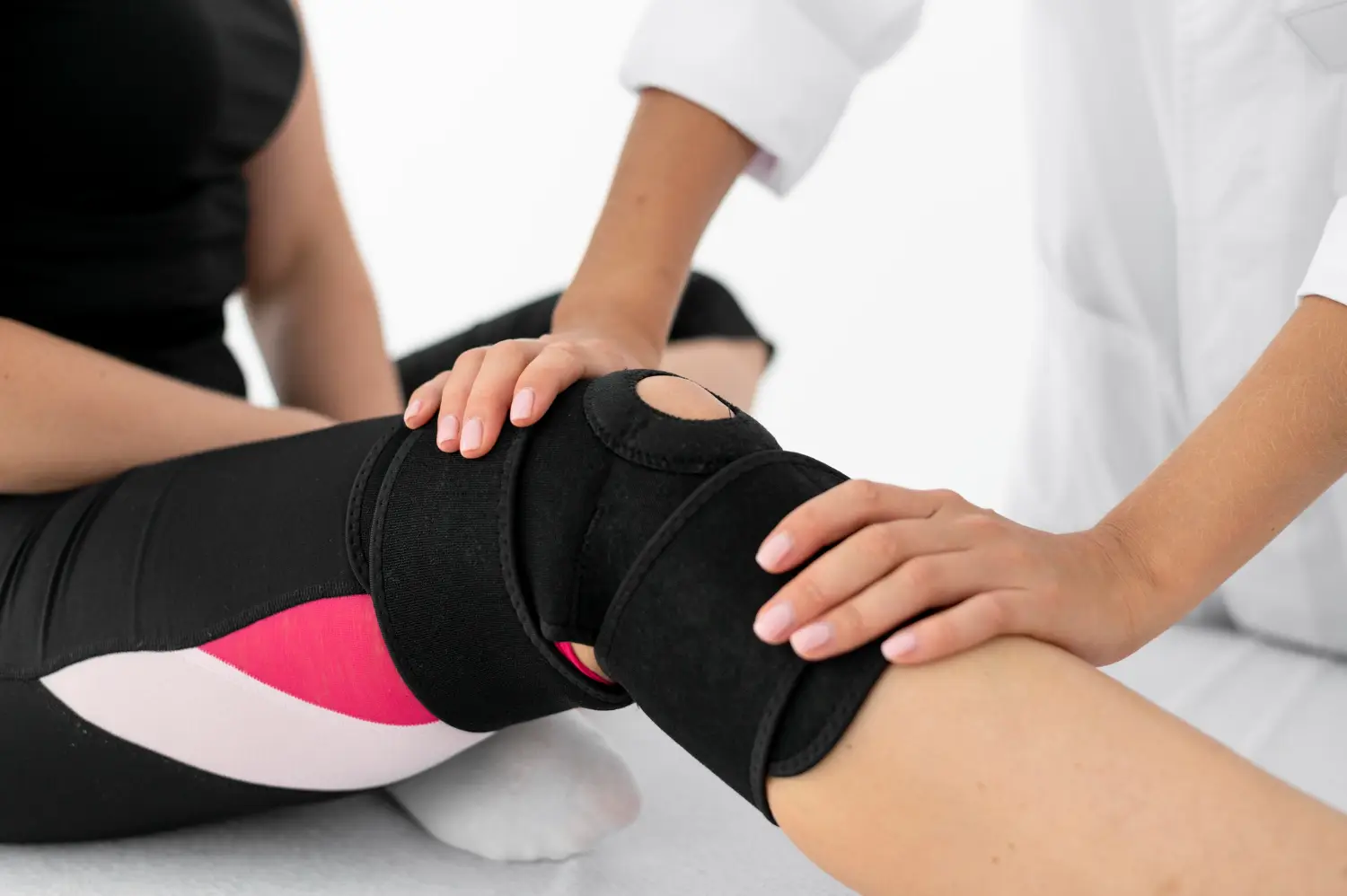
Knee support devices such as braces, sleeves, or straps help stabilize the joint, reduce pressure on injured tissues, and improve alignment during movement. They also provide compression, which can reduce swelling and increase blood circulation in the affected area.
While knee supports can provide temporary relief, combining them with physiotherapy ensures long-term recovery and improved joint function.
Common Causes of Knee Pain
Knee pain can develop due to a variety of reasons, ranging from sudden injuries to long-term wear and tear. Understanding the underlying cause is essential for proper treatment.
1. Ligament Injuries
Ligaments such as the ACL, MCL, and PCL stabilize the knee joint. Sports injuries or sudden twisting movements can cause these ligaments to stretch or tear.
2. Meniscus Tears
The meniscus is a piece of cartilage that cushions the knee joint. A sudden twist or heavy impact can cause it to tear, resulting in pain and swelling.
3. Osteoarthritis
This is one of the most common causes of knee pain, especially in older adults. Osteoarthritis occurs when the cartilage in the knee gradually wears down, leading to stiffness and discomfort.
4. Tendonitis
Inflammation of the knee tendons, often caused by repetitive movement or overuse, can lead to persistent pain around the knee joint.
5. Muscle Weakness
Weak muscles around the hips, thighs, and calves can place extra stress on the knee joint, increasing the risk of injury.
6. Poor Posture and Movement Patterns
Improper walking, running, or lifting techniques can gradually lead to knee strain.
Identifying the cause of knee pain is the first step toward choosing the right knee support and treatment plan.
Signs and Symptoms That Indicate You Need Knee Support
Knee problems may begin with mild discomfort but can worsen over time if not addressed properly. Some common symptoms include:
- Pain during walking or climbing stairs
- Swelling or inflammation around the knee
- Stiffness or reduced range of motion
- A feeling of instability or weakness in the joint
- Clicking, popping, or locking sensations
- Difficulty bending or straightening the knee
If these symptoms persist, professional assessment and treatment are recommended to prevent further damage.
Types of Knee Support Devices
Different knee support devices are designed to address different types of knee conditions.
Knee Sleeves
Knee sleeves are elastic supports that provide compression and warmth around the knee joint. They are commonly used for mild pain, early arthritis, or during physical activity.
Hinged Knee Braces
These braces include side hinges that limit excessive movement and provide additional stability. They are often used for ligament injuries or after knee surgery.
Patellar Support Braces
These braces have an opening around the kneecap to relieve pressure and improve patella alignment. They are commonly used for runner’s knee or patellar tendonitis.
Knee Straps
Knee straps apply targeted pressure below the kneecap and are useful for conditions such as jumper’s knee.
Although knee supports can help reduce strain, they work best when combined with rehabilitation exercises and physiotherapy care.
How Physiotherapy Helps Improve Knee Support
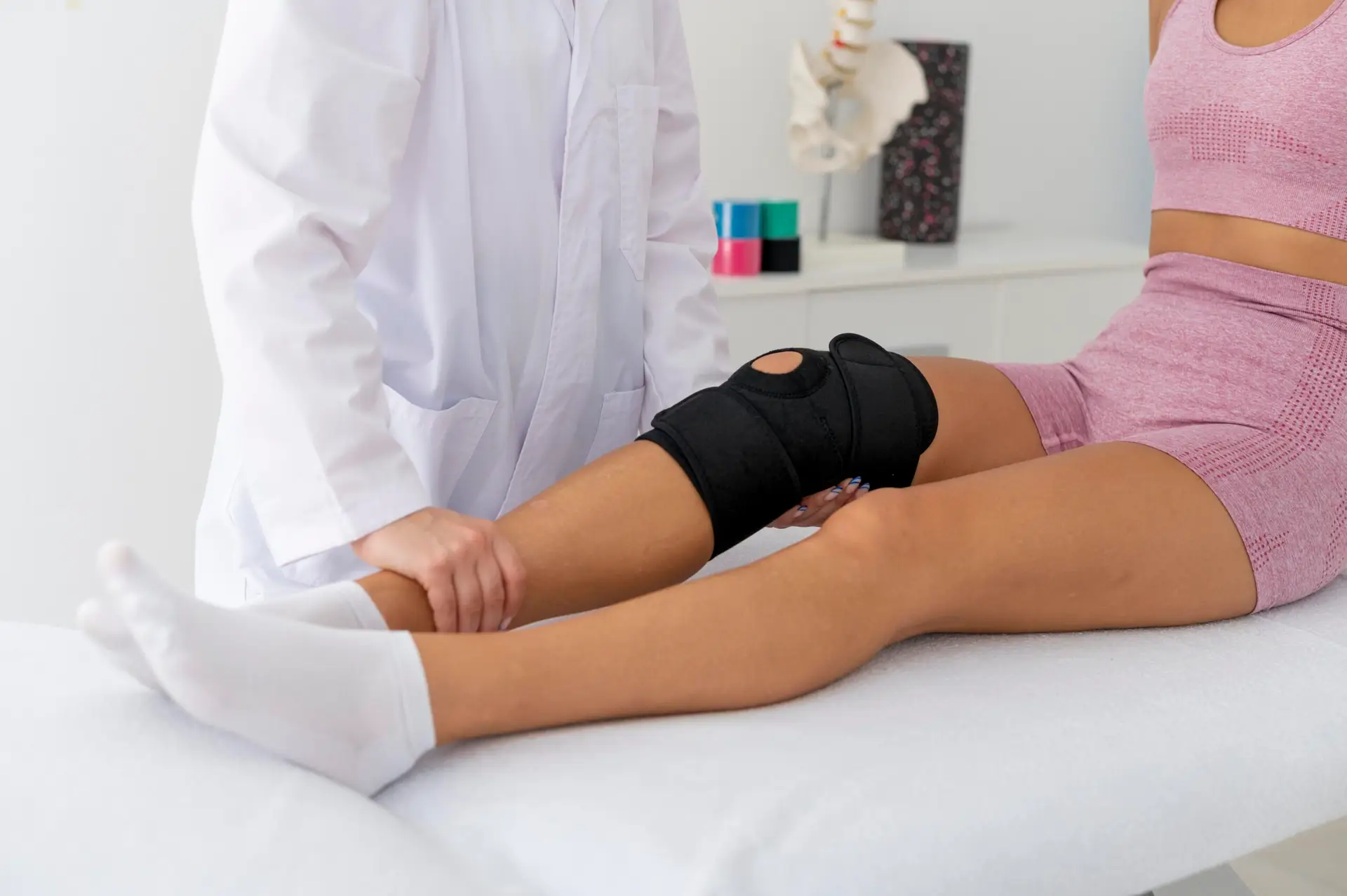
Physiotherapy plays a crucial role in treating knee pain and strengthening the joint. At Spectrum Physiotherapy in Calgary, experienced physiotherapists perform a detailed assessment to determine the root cause of the problem before designing a personalized treatment plan.
Physiotherapy treatments may include:
Manual Therapy
Hands-on techniques help improve joint mobility, reduce stiffness, and relieve muscle tension around the knee.
Strengthening Exercises
Targeted exercises strengthen the quadriceps, hamstrings, and hip muscles, which are essential for stabilizing the knee joint.
Stretching and Mobility Training
Stretching tight muscles improves flexibility and reduces pressure on the knee.
Shockwave Therapy
Shockwave therapy stimulates healing in injured tissues and helps reduce chronic pain.
Dry Needling
Dry needling targets tight muscle trigger points that may contribute to knee discomfort.
These techniques help patients recover faster while improving joint stability and movement.
Preventing Knee Pain and Injury
Taking proactive steps to protect your knees can help prevent long-term problems.
Some helpful strategies include:
- Maintain a healthy body weight to reduce joint pressure
- Exercise regularly to strengthen leg muscles
- Warm up before sports or physical activity
- Wear proper footwear with good support
- Avoid sudden increases in physical activity
- Practice proper posture and movement techniques
Small lifestyle adjustments can make a big difference in maintaining knee health.
When to See a Physiotherapist
You should consider visiting a physiotherapy clinic if:
- Knee pain lasts more than a few days
- Swelling does not improve with rest
- You feel instability while walking
- Pain interferes with daily activities
- You have difficulty bending or straightening your knee
Early treatment can prevent minor issues from becoming serious injuries.
Expert Knee Pain Treatment at Spectrum Physiotherapy Calgary
Spectrum Physiotherapy provides comprehensive care for a wide range of musculoskeletal conditions, including knee injuries and chronic knee pain. Their experienced physiotherapists focus on personalized treatment plans that combine advanced rehabilitation techniques with patient education.
By addressing the root cause of knee pain, the clinic helps patients regain strength, mobility, and confidence in their movement. Whether your knee discomfort is caused by sports injuries, arthritis, or everyday strain, professional physiotherapy can help restore proper function and prevent recurring issues.
Start Your Recovery Journey Today
Knee pain can limit mobility and interfere with everyday activities, but the right combination of knee support and physiotherapy can make a significant difference. Early diagnosis, proper support devices, and guided rehabilitation exercises can help reduce pain and restore normal movement.
If you are experiencing knee discomfort, seeking professional care from a trusted physiotherapy clinic in Calgary can help you return to an active and pain-free lifestyle.