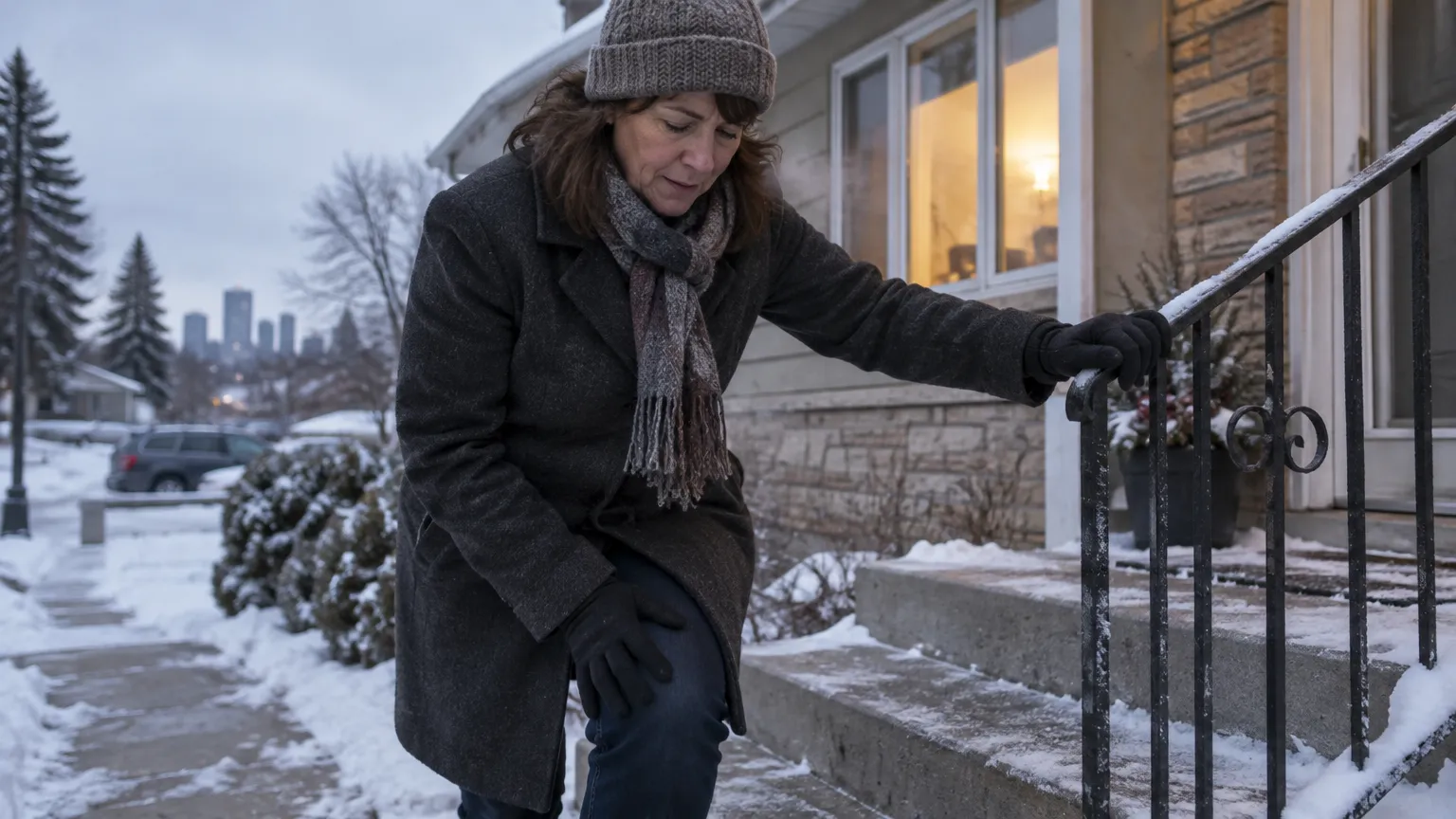
It starts the same way every year. The first hard frost arrives, and suddenly your knees complain on the stairs, your lower back grumbles when you get out of bed and that old shoulder injury wakes up like it has something to say. If this sounds familiar, you are in good company. Almost every week from November onward, someone walks into our clinic and says, "My body just hurts more in winter. Is that normal?"
It is common, and it is not all in your head. But the reasons are a bit more layered than "the cold makes everything ache." In this article, our team explains what is actually going on, what the research says and does not say, and what you can do to keep moving comfortably through a Calgary winter.
What Does the Cold Actually Do to Your Body?
When temperatures drop, your body works to protect its core. Blood vessels in your arms, legs, hands and feet narrow to keep heat near your vital organs. The result is less blood flow to the muscles and joints that you rely on to move.
Cooler muscles also tend to feel tighter and less elastic. Think of how a cold elastic band is stiffer than a warm one. That tightness can make everyday movements feel harder, and it can raise the risk of strains if you jump straight into activity without warming up.
Cold may also make your nervous system more sensitive. Many people notice that pain feels sharper or more noticeable in chilly weather, partly because the body is already on alert. Some also find themselves tensing their shoulders and hunching against the wind, which adds strain to the neck and upper back over the course of a day.
Is It Really the Weather, or Is It Something Else?
Here is where we want to be honest with you. Many people with arthritis or past injuries are convinced that cold, damp or changing weather affects their joints. Studies on this are mixed. Some research links changes in barometric pressure and temperature with more pain in certain people, while other studies find little connection. Scientists do not yet have a complete explanation.
What we do know is that winter changes a lot of things at once, and several of them are well-documented contributors to pain:
- We move less. Dark, icy mornings make it tempting to skip the walk, the gym or the weekend hike. When joints stay still for long periods, they stiffen and muscles lose strength.
- We sit more. More time on the couch or at the desk can mean more low back, hip and neck complaints.
- We get less sunlight. Shorter days reduce sun exposure, which affects vitamin D levels and, for some people, mood and sleep. Poor sleep and low mood can both turn up the volume on pain.
- We are more tense. Bracing against the cold and worrying about slipping can keep muscles on edge.
- We shovel, scrape and carry. Seasonal chores add sudden loads that our bodies may not be ready for.
In other words, the cold may not be the only villain. Your winter routine can matter just as much.
Conditions That Often Flare in Winter
Some conditions are especially likely to make themselves known when the temperature falls.
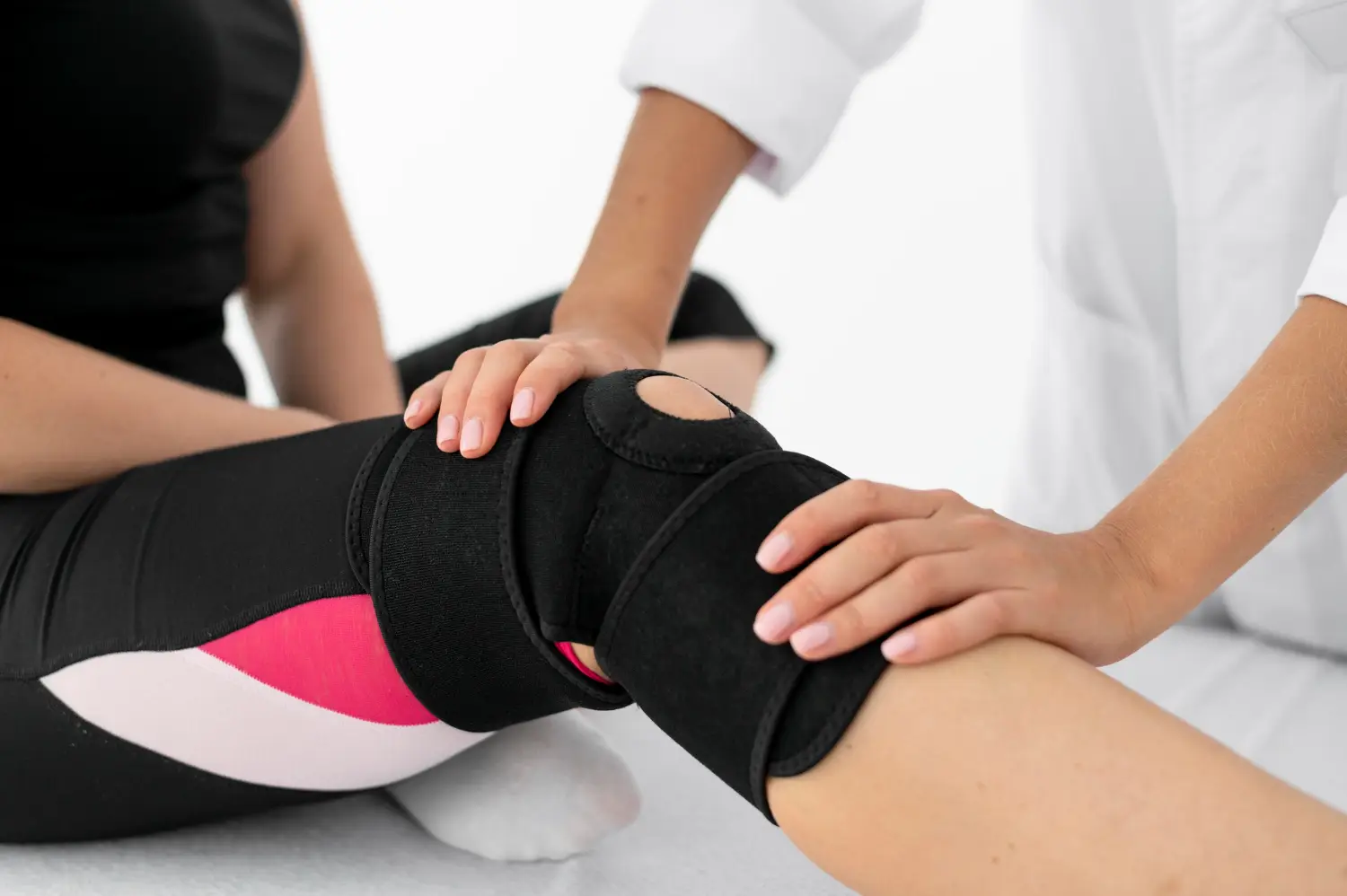
Osteoarthritis. Knees, hips, hands and the spine are common trouble spots. Many people describe stiffness first thing in the morning or after sitting for a while, and it often eases once they get moving. If knee pain is your main concern, take a look at our knee pain physiotherapy approach.
Low back pain. Stiffness, reduced activity and cold muscles are a common combination. Our back pain care page explains how we help.
Old injuries. Scar tissue, past sprains or healed fractures can feel more noticeable in the cold. If a previous ankle or wrist injury seems to ache more lately, it may be worth getting assessed. You can read about how we handle sprains and strains.
Neck and shoulder tension. Hunching, heavy coats and gripping the steering wheel on icy roads often lead to tightness at the base of the skull and across the shoulders.
Inflammatory and nerve conditions. Conditions such as rheumatoid arthritis, Raynaud's phenomenon and some nerve pain can behave differently in the cold. These need medical guidance in addition to physiotherapy.
What You Can Do at Home
The good news is that a few simple habits can make a real difference.
- Warm up before you head out. Give yourself five to ten minutes of gentle movement before shovelling, walking or exercising. Marching on the spot, arm circles and gentle squats all help.
- Dress in layers. Keep your core, hands and feet warm. Good boots with grip and support also lower your risk of a fall.
- Keep moving every day. You do not need a marathon. Short, regular walks, indoor cycling, swimming or a mobility routine can keep joints lubricated and muscles active. A little movement spread through the day usually beats one big effort.
- Use heat for stiffness. A warm shower, heating pad or warm compress can ease tight muscles before activity. Avoid heat on a freshly swollen or newly injured area.
- Break up long sitting. Stand, stretch or walk for a minute or two every half hour.
- Protect your sleep. A regular schedule and a comfortable sleeping position can reduce next-day pain sensitivity.
- Ask about vitamin D. Alberta winters are short on sunlight. Your doctor or pharmacist can tell you whether testing or a supplement makes sense for you.
When to See a Physiotherapist
Some stiffness is normal. But it is worth booking an assessment if your pain lasts more than a couple of weeks, keeps coming back, limits what you do day to day or wakes you at night. Early help usually means a simpler recovery.
See a doctor promptly if a joint becomes hot, red and swollen, if you have a fever alongside joint pain, or if you notice numbness, weakness or unexplained weight loss. Those signs need medical attention.
At Spectrum Physiotherapy, we begin by listening to your story and examining how you move. From there, your plan might include hands-on techniques to ease stiffness, targeted exercises to build strength and flexibility, and practical advice you can use at home and at work. Our prescriptive exercise services are designed to fit your goals, whether that is walking the dog on an icy morning or getting back to the ski hill. If you are searching for physiotherapy clinics in Calgary that take a thoughtful, personal approach, our three locations in Country Hills, Nolan Hill and Forest Lawn are here for you.
Frequently Asked Questions
Why do my joints ache more when it is cold?
No single explanation covers everyone. Cold can tighten muscles, reduce circulation to the limbs and make pain feel stronger. Less activity, less sunlight and more stress during winter may also play a part.
Does cold weather make arthritis worse?
Many people with arthritis report more stiffness and pain in winter, though research on weather itself is mixed. Staying active, keeping warm and strengthening the muscles around your joints can help.
Is it better to rest or exercise when my joints are stiff?
In most cases, gentle movement is better than long periods of rest. Start with low-impact activity and warm up first. If pain is sharp or increasing, stop and get advice.
Should I use heat or ice for winter aches?
Heat generally suits stiffness and muscle tightness. Ice can help with acute swelling or a fresh injury. If you are unsure which fits your situation, ask your physiotherapist.
How do I find good physiotherapy clinics in Calgary?
Look for registered physiotherapists, clear communication, individualized treatment plans and experience with your type of problem. At Spectrum, we offer assessments at three Calgary locations, and no referral is needed.
Do you offer direct billing?
Yes, we offer direct billing for many insurance plans. If your pain is work related, we also support WCB claims.
Do Not Let Winter Slow You Down
Aches and stiffness do not have to be a fact of life every time the temperature falls. With the right plan, most people can stay active, comfortable and confident all season long. Book an assessment at our Country Hills, Nolan Hill or Forest Lawn clinic, or call 587-844-2040 to speak with our team.
This article is for general education and is not a substitute for personal medical advice. If you have a serious or worsening condition, contact your doctor or seek emergency care.