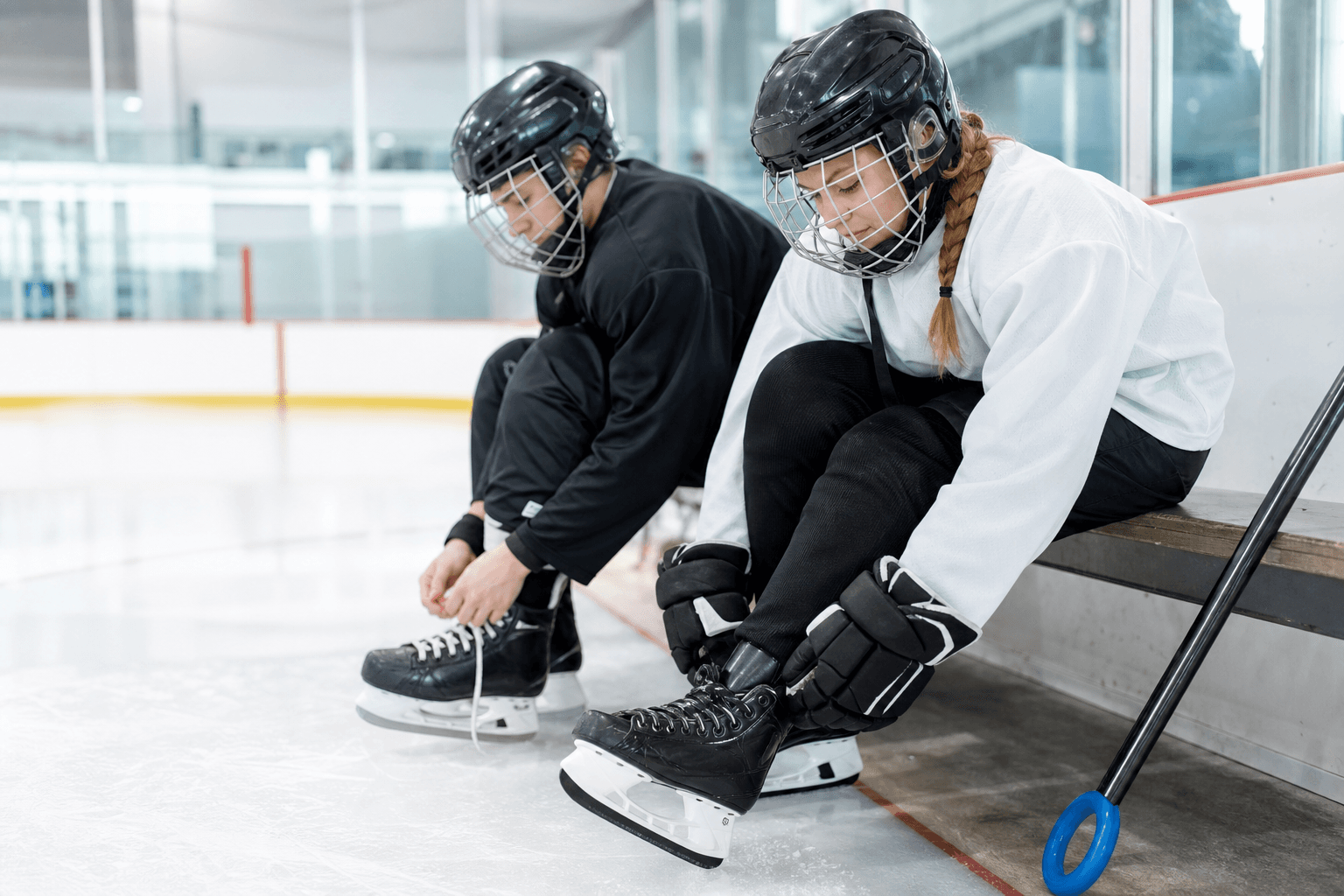
Late September in Calgary means one thing for a huge number of families: the rinks are booked solid again. Tryouts, evaluation camps, and the first practices of the season all land in a tight window. After a summer spent mostly off the ice, that is a big ask for a body that has not skated hard in months.
Why Early Season Is When Injuries Cluster
Hockey and ringette demand a specific mix of explosive starts and stops, quick direction changes, and single-leg balance on a low-friction surface. Summer activities such as biking and swimming build fitness, but they do not fully reproduce those skating demands.
As a result, skating muscles and stabilizing joints can be asked to perform at near-full intensity during tryouts and early practices before they have rebuilt sport-specific strength and coordination. A gradual preseason plan—or an assessment through sports physiotherapy in Calgary when symptoms are already present—can help manage that transition.
Common Hockey and Ringette Injuries After Returning to the Ice
- Groin and hip flexor strains can follow repeated explosive push-offs when those muscles have not handled skating volume for several months.
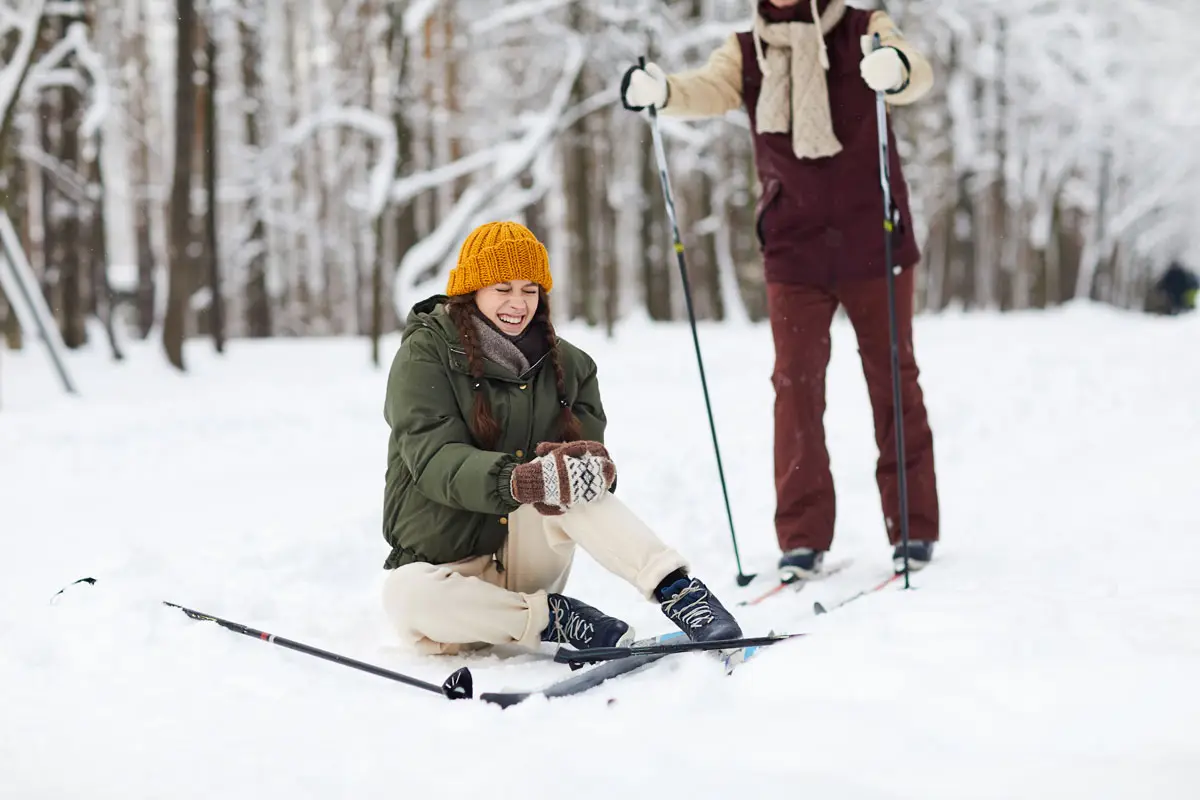
- Knee soreness, including discomfort around the kneecap, may appear when a deep skating stance is combined with a sudden jump in training volume. Learn when knee pain physiotherapy treatment may be appropriate.
- Shoulder and wrist symptoms can develop as players return to shooting, stickhandling, contact, and falls.
- Goalie hip and knee issues may surface with repeated butterfly and lateral movements after time away.
- Old injuries returning—such as a previous ankle sprain or an unstable knee—can become noticeable again as skating intensity increases.
How to Prepare Before Tryouts
- Add off-ice strength and balance work. Single-leg stability and hip strength are useful foundations for skating, but exercises should match the athlete's age and current ability.
- Warm up before stepping onto the ice. A short dynamic warm-up can prepare muscles and joints before limited ice time begins.
- Build skating volume gradually. Avoid moving from no skating directly into several full-intensity scrimmages when possible.
- Check every piece of equipment. Skates and protective gear that fit last season may not fit after a summer growth spurt.
- Plan recovery. Sleep, food, hydration, and lighter days matter when tryouts place several demanding sessions close together.
For athletes returning after a previous strain or sprain, a targeted prescriptive exercise program can rebuild strength, balance, and sport-specific capacity before competition intensifies.
When to Have Hockey or Ringette Pain Assessed
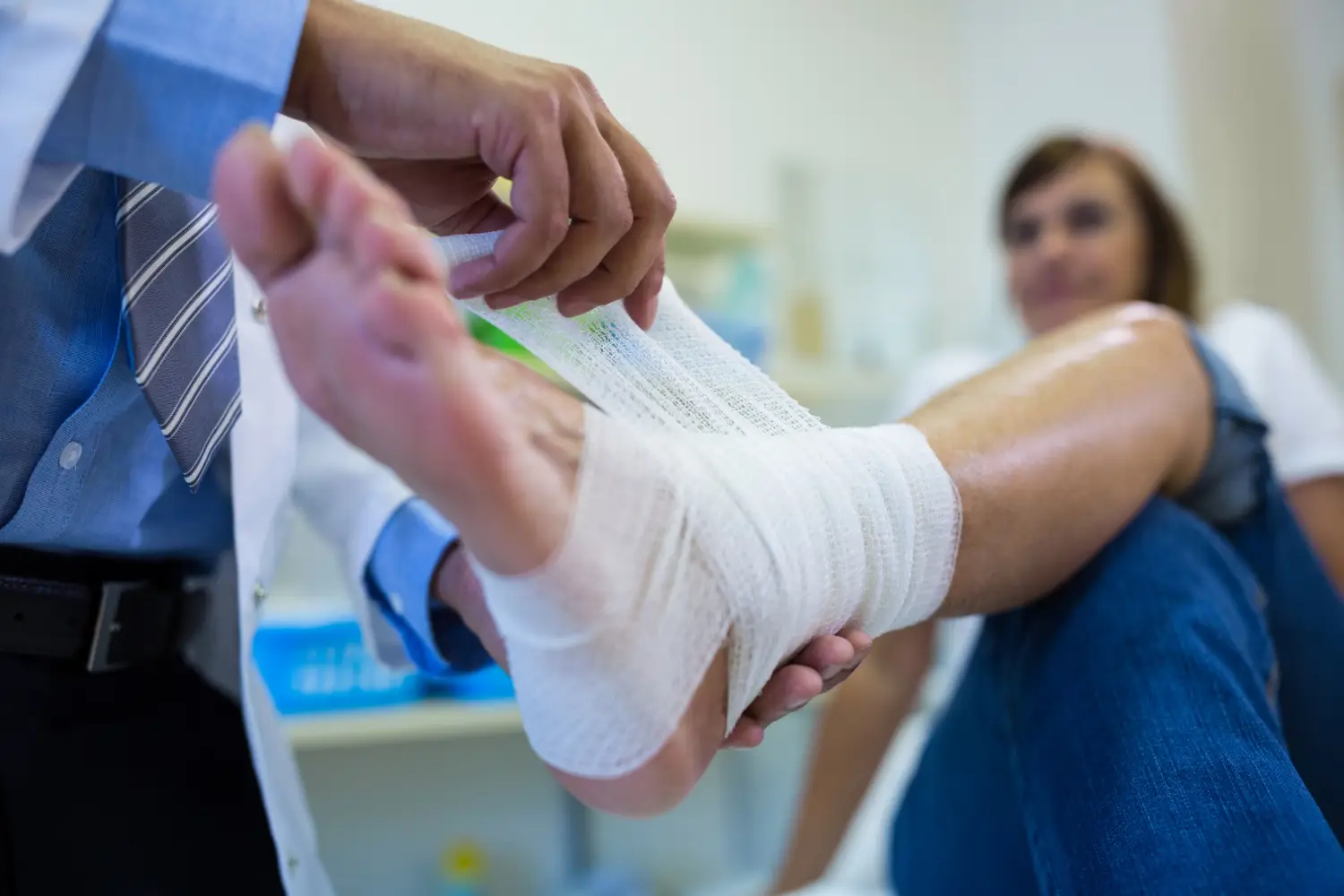
General muscle fatigue after the first few sessions can be normal. Pain that limits skating, does not ease with rest, causes swelling or instability, or repeatedly appears in the same place deserves an assessment. Seek prompt medical care after a significant collision or fall, or for severe pain, deformity, inability to bear weight, loss of consciousness, worsening headache, vomiting, confusion, weakness, or numbness.
Early in the season is often an easier time to address a developing issue than mid-playoffs. A physiotherapist can assess mobility, strength, balance, and skating-related demands, then recommend an appropriate treatment and return-to-play plan.
Our Country Hills physiotherapy clinic works with Calgary hockey and ringette families and can build a practical plan around the athlete's symptoms, schedule, and position. You can book directly without a referral, and direct billing is available for many extended health plans.
Book a sports assessment in Calgary before a developing problem interferes with the season.
Frequently Asked Questions
How much off-ice training does a young hockey or ringette player need before tryouts?
Even two to three weeks of consistent off-ice strength and balance work can help prepare hip and groin muscles for early-season demands. The appropriate amount depends on the athlete's age, current capacity, and training history.
My child's groin has been sore for a few days after tryouts. Is that normal?
Mild soreness that improves within a couple of days can occur after returning to the ice. Pain that persists, worsens, or changes how a player skates is worth having assessed.
Do goalies have different injury risks than other players?
Yes. Repetitive butterfly and lateral movement patterns place particular demands on a goalie's hips and knees, so their preseason strength, mobility, and workload plan should reflect those demands.